Emergency Waterproofing: What to Do When You Discover a Sudden Leak
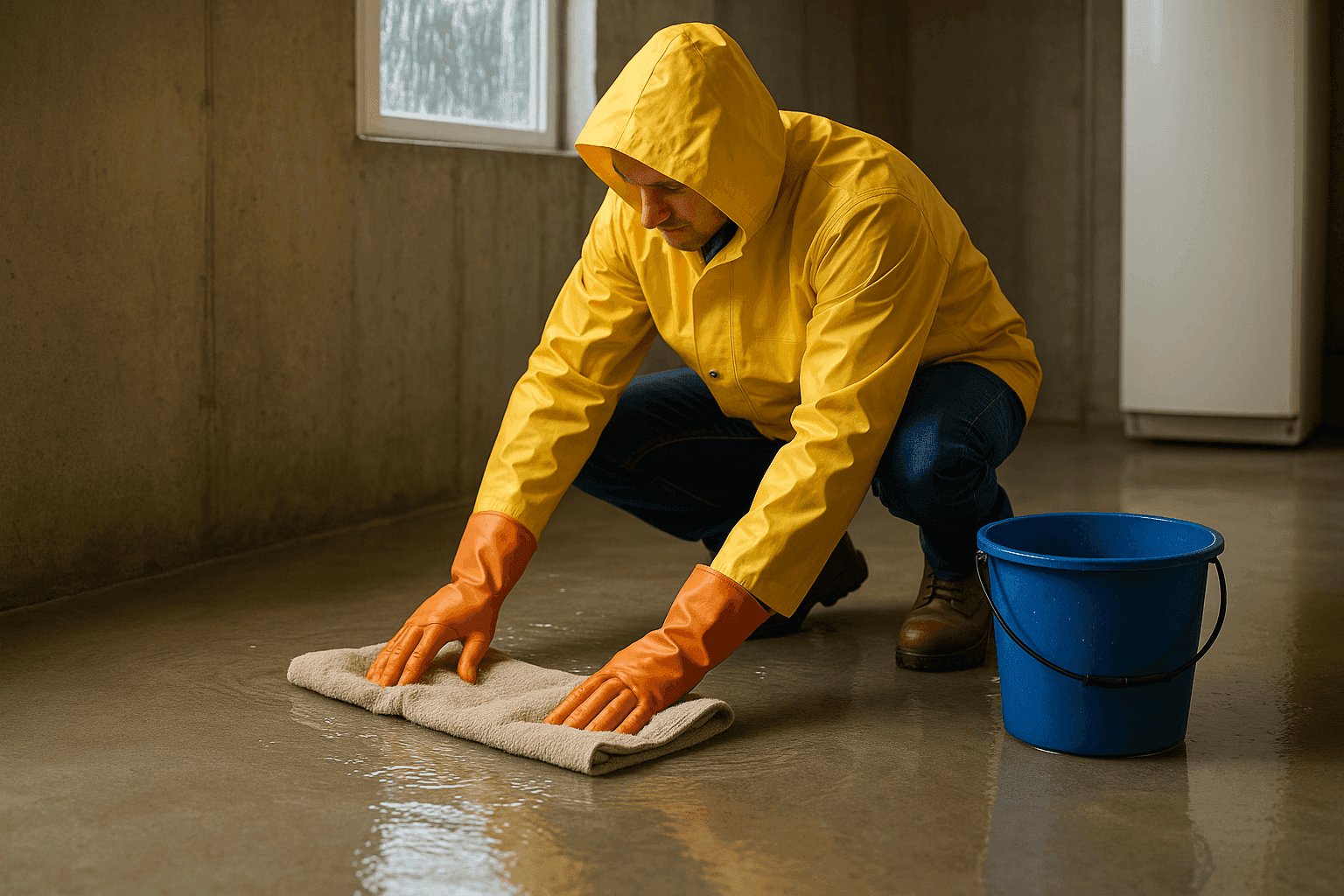
When water starts pouring where it shouldn’t—your heart pounds, confusion sets in, and your to-do list suddenly explodes. A leak can turn a cozy home upside down in seconds. But you’re not alone, and you’re not powerless.
At J. Liss Waterproofing, we’ve seen every kind of water emergency, from gentle trickles to basement downpours. This quick guide will help you respond calmly, make smart choices, and know when to reach for professional help.
The Problem: Water Where It Shouldn’t Be
A sudden leak feels like a storm cloud burst inside your house. Maybe it’s a pipe, a window, or water sneaking through the foundation. No matter the source, the risk is real: ruined floors, damaged walls, and—if ignored—mold that lingers longer than a bad memory.
Water doesn’t wait. It seeps, pools, and spreads, searching for the lowest point, carrying trouble with it. So, act fast.
Quick Safety Checklist 🧯
Before racing for towels or buckets, pause. Safety comes first. Water and homes don’t mix well, especially near electric outlets or appliances.
- Turn off electricity to the affected area if you can safely do so. Use your breaker panel, not wet switches.
- Avoid walking through standing water if outlets, cords, or appliances are nearby.
- Wear rubber-soled shoes or boots to reduce slip and shock risk.
- If you suspect sewage, do not touch the water. Sewage leaks demand professional handling.
- Children and pets out—keep them clear until the area is safe.
When in doubt, step back and call for help. Your safety is always the top priority.
Find the Leak Source
Finding the leak is like playing detective. Some leaks announce themselves—a steady drip from the ceiling, or a puddle on the floor. Others are sneakier, hiding behind walls or under carpets.
- Trace the water upstream. Follow wet spots to their origin. Sometimes, water travels along beams or pipes.
- Check around windows, doors, and basements. Heavy rain? The culprit could be outside.
- Inspect plumbing. Look under sinks, behind toilets, or near water heaters.
- Don’t ignore slow leaks. Even a slow drip can lead to major damage.
A flashlight and a calm eye work wonders. If you can’t find the source, professionals have advanced leak detection tools.
Shut Off Water (If Needed)
If the leak is coming from your plumbing, act quickly:
- Turn off the main water valve. Usually found near where the water line enters your home.
- Turn off the water heater if you suspect a hot water line leak.
- Open faucets to drain remaining water and relieve pressure.
If the source is outside (like rain seeping through the foundation), focus on containment instead.
Move Valuables to Safety
Water has no respect for your favorite rug or family photos. Move valuables out of harm’s way:
- Electronics: Unplug and lift off the floor.
- Documents and photos: Place in plastic bins or bags.
- Furniture: Elevate on blocks or move to a dry room.
- Carpets and rugs: Roll up and remove if possible.
Quick action now can save you heartbreak later.
Temporary DIY Containment
Sometimes you need to build a dam before the professionals arrive. Think quick, simple, and temporary:
- Plastic sheeting or tarps: Spread over floors or furniture to shield from drips.
- Towels and blankets: Pile them to soak up water and slow the spread.
- Buckets and bins: Place under active drips to catch water.
- Duct tape: Use to secure plastic barriers or patch small cracks temporarily.
- Mops and shop-vacs: Start removing standing water, but avoid using regular vacuums on water.
Remember: This is just a stopgap. Don’t expect towels to hold back a flood, but every minute counts.
Mold: The Unseen Threat
Within 24–48 hours, mold can start to grow. The Centers for Disease Control and Prevention (CDC) and Environmental Protection Agency (EPA) both warn that damp carpet, drywall, and wood are mold’s favorite playgrounds.
- Keep air moving: Use fans if electrical systems are safe.
- Don’t close up wet spaces: Trapped moisture = mold factory.
- Remove soaked materials: If it can’t dry, it shouldn’t stay.
Mold prevention isn’t just about comfort—it safeguards your family’s health.
When to Call Emergency Waterproofing Services 📞
If the leak is more than you can handle, or you’re worried about hidden damage, call for help. Here’s when to reach out:
- Water is spreading fast, and you can’t stop it.
- Leak source is unknown or inaccessible.
- Electrical or sewage risks are present.
- You see signs of foundation or structural damage.
- You’ve contained it, but need a permanent fix.
At J. Liss Waterproofing, our team is ready for rapid response. We’ve handled everything from commercial waterproofing near you to residential emergencies in the dead of night.
DIY vs. Call a Pro
Some leaks are like a leaky faucet—they can wait for the weekend. Others are like a burst dam—drop everything and act.
DIY:
- Small drips or condensation.
- Minor seepage under a window.
- Temporary patching with caulk or tape.
Call a Pro:
- Water pouring in or pooling fast.
- Recurring leaks you can’t solve.
- Foundation cracks or basement flooding.
- Signs of mold, electrical hazards, or sewage.
Remember: There’s no shame in asking for help. Water doesn’t play fair, and professionals have the right tools and knowledge to prevent disaster.
What Professionals Do On Arrival
When waterproofing contractors arrive, they don’t just bring tools—they bring experience and a cool head. Here’s what you can expect:
- Assessment: Fast inspection to locate the source and map the water path.
- Leak detection: Using moisture meters, infrared cameras, or acoustic sensors.
- Containment: Setting up barriers to stop further spread.
- Water extraction: Powerful pumps and vacuums to remove standing water.
- Drying and dehumidification: Commercial-grade fans and dehumidifiers to pull moisture from the air and surfaces.
- Damage documentation: Detailed notes and photos for insurance claims.
- Recommendations: Honest advice for repairs, waterproofing upgrades, or mold remediation.
They’ll also check for hidden moisture—because what you can’t see can still cause trouble.
Prevention & Maintenance
Once the immediate crisis is over, it’s time to think ahead. Waterproofing isn’t just a fix—it’s an investment in your home’s future comfort and safety.
- Schedule regular waterproofing inspections.
- Maintain gutters and downspouts. Clogged systems lead to overflow.
- Grade soil away from your foundation. Keeps water moving out, not in.
- Seal cracks in walls and foundations.
- Install sump pumps or French drains in vulnerable basements.
- Consider a waterproofing maintenance plan.
Preventative steps now can save you from the next storm—or the next surprise leak.
Costs & Time Factors
Waterproofing emergencies come in all shapes and sizes. The cost and repair time depend on:
- Extent of water damage.
- Size of the affected area.
- Type of materials soaked (hardwood, carpet, drywall, etc.).
- Access to the leak source.
- Need for specialized repairs (foundation, mold remediation, etc.).
Repairs might take a few hours for a simple fix—or several days for larger restoration. Always ask for a clear estimate, and remember that fast action can often reduce the final bill.
When It’s an Emergency
Not every leak is a five-alarm fire. Here’s how to know:
- Rapidly rising water, especially in basements or crawl spaces.
- Electrical, gas, or sewage risks.
- Repeated or large foundation cracks.
- Major storms or flooding events.
- Loss of heat or cooling due to water intrusion.
If you’re not sure, err on the side of caution. Emergency waterproofing services exist for a reason—they protect your family, your home, and your peace of mind.
Documenting Damage for Insurance
Insurance companies want details. Take clear, well-lit photos of:
- The leak source.
- The path of water spread.
- Damaged furniture, floors, and walls.
- Any temporary repairs you made.
Keep receipts for anything you buy (fans, towels, bins). Write down a timeline of discovery and actions. This paperwork is your safety net for claims.
FAQ
What’s the first thing I should do if I see water leaking inside?
Focus on safety. Turn off electricity in the affected area, then locate and contain the water.
How quickly does mold start to grow?
Mold can begin within 24–48 hours in damp areas, especially if air isn’t moving.
Is it safe to try stopping a leak myself?
If you can safely access the area and there’s no risk of shock or sewage, simple containment is fine. For electrical risks or fast-moving water, call a professional.
Will insurance cover waterproofing repairs?
Many policies cover sudden water damage, but won’t cover neglect or lack of maintenance. Document everything for best results.
Local and Seasonal Considerations 🌧️
Leaks aren’t just a winter or rainy season problem. In spring, melting snow can overwhelm basements. In summer, heavy storms test your gutters and grading. Even a burst pipe in the dead of winter can cause major headaches.
Wherever you live, routine waterproofing maintenance helps protect your home year-round. If you’re worried about seasonal risks, ask about waterproofing inspections and upgrades tailored to your climate.
Emergencies are stressful, but you don’t have to face them alone. If you need reliable waterproofing contractor services—whether it’s emergency repairs, leak detection, or a long-term maintenance plan—reach out today.
Call J. Liss Waterproofing now — or reach us anytime at 888-863-4240 .