How to Spot and Repair Foundation Cracks Before They Worsen
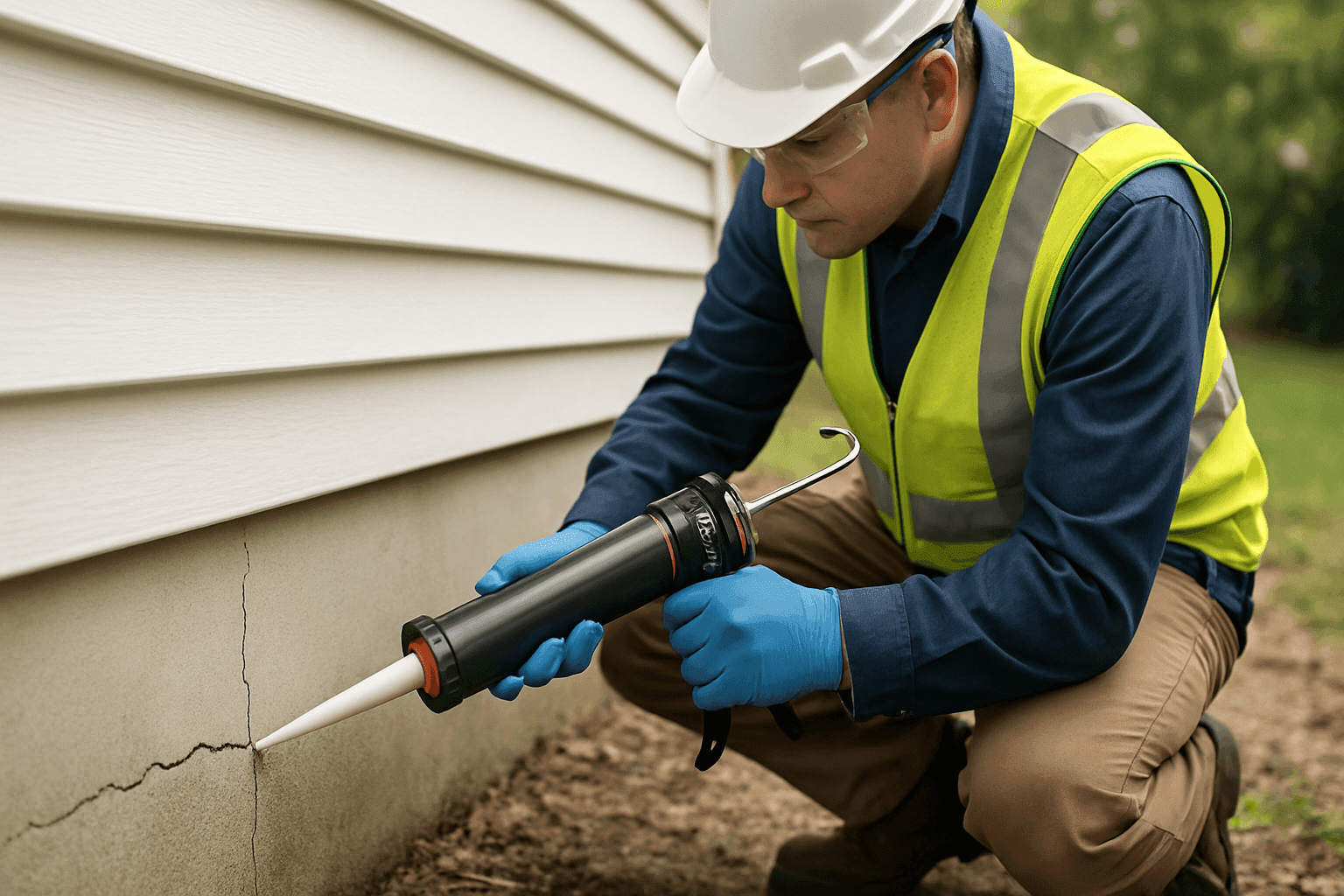
Homeowners know the quiet worry that comes with discovering a crack along the basement wall. Maybe it’s the hairline zigzag in the corner of your foundation, or a split you noticed growing near a window well. These cracks rarely shout for attention, but left alone, they can become a big headache.
At J. Liss Waterproofing, we’ve seen how small cracks turn into big repairs. Understanding and acting quickly can protect your house, your budget, and your peace of mind.
Types of Foundation Cracks
Not all cracks are equal. Some are like wrinkles—just part of a home settling. Others signal bigger trouble under the surface.
- Hairline cracks: Thin as a pencil lead, usually caused by concrete shrinkage during curing. Most are cosmetic but can allow moisture in.
- Vertical cracks: Often run up and down or slightly diagonal. These are the most common and usually less serious if they’re narrow and stable.
- Horizontal cracks: These stretch side-to-side and can mean pressure from soil or water is pushing in. They’re usually a red flag for structural risk.
- Stair-step cracks: Appear in brick or block foundations, following mortar joints in a zigzag pattern. They can be benign, but if widening, they need attention.
- Widening or bulging cracks: If you can fit a coin inside, or if a wall bows out, call a professional. This signals shifting or failing support.
A good rule of thumb: the bigger or more unusual the crack, the more urgent it is to take a closer look.
How to Inspect Your Foundation 🕵️
You don’t need fancy tools. Just patience, a flashlight, and a notebook.
- Walk the Perimeter: Check both inside and outside. Look low, near the ground, and behind bushes or clutter.
- Mark and Measure: Use a pencil to mark the ends of a crack. Write the date. Measure the width with a ruler.
- Check for Moisture: Is it damp, stained, or crumbly? Moisture means a crack is letting water in. Smell for musty odors—these can signal mold.
- Look for Patterns: Are cracks growing or multiplying? Are doors or windows sticking nearby?
- Note Location: Horizontal cracks, especially below soil line, are more serious than vertical ones above ground.
Documenting helps track changes over time. If a crack stays the same size for months, it’s less likely to be urgent. But if it widens or leaks, act quickly.
DIY vs. Professional Repair
When DIY Makes Sense
- Hairline cracks: Dry, stable, and not growing? You can try patching with concrete crack filler or epoxy from the hardware store.
- Routine sealing: Applying a waterproofing coating to small exterior cracks can help keep moisture out.
When to Call a Professional
- Horizontal, wide, or shifting cracks: These may mean soil pressure or foundation movement.
- Moisture, bowing, or bulging walls: Signs that the foundation is under stress.
- Recurring leaks: Even after previous repairs, water keeps coming in.
- Cracks wider than 1/8 inch: That’s about the thickness of two stacked credit cards.
Professional evaluation often references guidelines from the International Residential Code (IRC), which sets standards for foundation performance and repair. Ignoring these can risk safety and home value.
Waterproofing Options
Cracks are a symptom. Waterproofing is the cure that keeps them from coming back.
- Exterior waterproofing: Involves digging to apply a waterproof membrane to the outside of your foundation. Stops moisture before it gets in.
- Interior sealants: Useful for minor cracks but only address symptoms, not the root cause.
- French drains: Redirect water away from the foundation, reducing pressure and seepage.
- Sump pump installation: Pumps out water collecting in low spots, protecting basements from flooding.
- Moisture barriers: Poly sheeting or coatings that block vapor from entering crawl spaces or basements.
Combine these with routine grading and gutter maintenance to keep water moving away from your house.
Long-Term Maintenance and Monitoring 🛡️
Keeping your foundation safe is like keeping a boat afloat—constant vigilance pays off.
- Annual inspections: Walk your home’s perimeter every spring and fall.
- Gutter cleaning: Clogged gutters overflow, dumping water next to your foundation.
- Landscaping: Make sure soil slopes away from the house—at least 6 inches over 10 feet.
- Monitor repaired cracks: Mark and date. If they change, call for a new assessment.
- Consider a maintenance plan: Regular professional inspections can spot small issues before they become big repairs.
Practical Tips for Homeowners
- Never ignore a wet crack. Moisture means trouble.
- Don’t just paint over cracks. Address the cause, not just the symptom.
- Use a flashlight. Shadows help you spot fine cracks you might otherwise miss.
- Photograph your findings. Pictures help pros diagnose issues without guesswork.
When It’s an Emergency
Some signs mean you shouldn’t wait:
- Sudden flooding or heavy leaks
- Cracks widening quickly
- Walls bowing or shifting
- Doors and windows jamming after rain
If these happen, turn off water near the affected area if safe, and reach out for emergency waterproofing services. Your safety comes first.
FAQ
What causes foundation cracks?
Most cracks come from normal settling, temperature swings, or water pressure. Poor grading, clogged gutters, or heavy rain can add to the stress.
Will all cracks leak?
No, but any crack can let in moisture over time. It’s best to check after rain or snowmelt.
Can I sell my home with foundation cracks?
Small, stable cracks aren’t usually a deal-breaker, but visible damage can lower your home’s value. Repairs and professional documentation help reassure buyers.
How long do repairs last?
With proper waterproofing and grading, most repairs last for many years. Routine checks catch problems early.
Local and Seasonal Considerations 🌧️
Crack movement often speeds up in spring, when melting snow and rain saturate the soil. In cold climates, freeze-thaw cycles push and pull at your foundation. In hot, dry regions, shrinking soil can also cause gaps.
- After heavy rain: Inspect for new leaks.
- After drought: Look for cracks from shrinking soil.
- In areas with clay soil: Expect more movement, especially after wet spells.
References
For more on safety and building codes, see the International Residential Code (IRC) and local building department guidelines. The American Concrete Institute (ACI) also provides technical details on concrete performance and maintenance.
Spotting foundation cracks early saves time, money, and stress. If you see something worrying or just want peace of mind, reach out to the team that’s handled every crack and crevice—big and small.
Call J. Liss Waterproofing now — or reach us anytime at 888-863-4240 .