Emergency Waterproofing: What to Do When a Leak Strikes
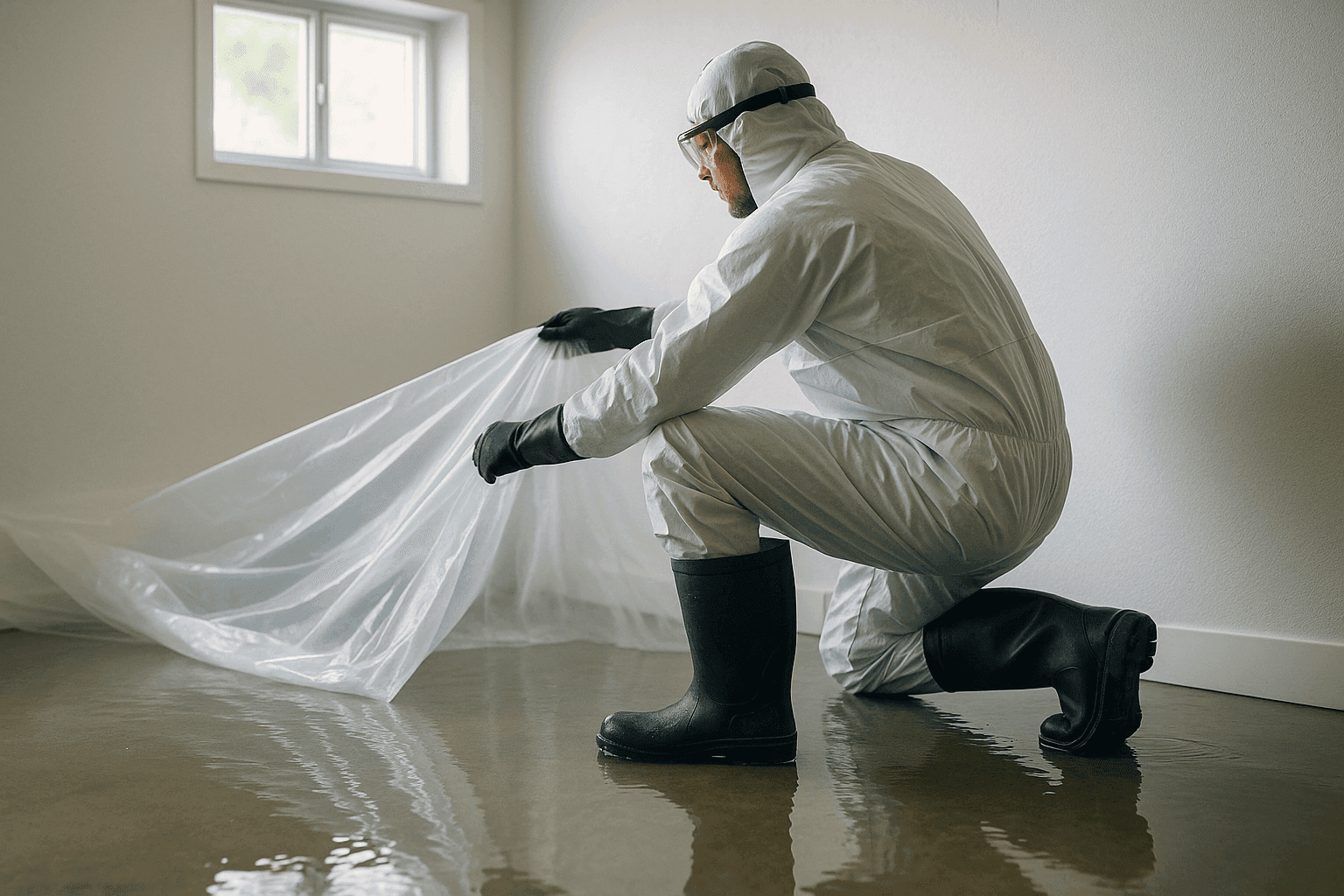
When water suddenly pours in where it shouldn’t, panic can hit like a tidal wave. Every homeowner dreads that sinking feeling: a soaked carpet, dripping ceiling, or the steady trickle down a basement wall. At J. Liss Waterproofing, we know how quickly a small leak can turn into a major crisis—and how vital it is to act fast, but smart.
Here’s your real-world guide to emergency waterproofing, built for those crucial first minutes and hours. With decades in waterproofing, we’ve helped families across all seasons and situations. Read on for practical, safety-first steps you can take when water is suddenly everywhere it shouldn’t be.
Common Emergency Scenarios 🏠
Not all leaks are created equal. Some creep in quietly; others burst in with no warning. Here are the most common emergency waterproofing situations homeowners face:
- Basement flooding after heavy rain: One of the classic scenarios, especially during spring downpours or after snowmelt. Sump pump failures or poor grading can make it worse.
- Burst pipes in winter: Freezing temperatures can cause pipes to crack or burst, unleashing gallons of water in minutes.
- Roof leaks during storms: High winds and clogged gutters can send water straight through your attic or ceiling.
- Cracks in foundation or walls: Over time, small gaps let water seep in, especially during seasonal thaws or after construction work.
- Appliance or plumbing failures: Washing machines, water heaters, and dishwashers can all malfunction, flooding rooms fast.
Emergencies love bad timing—holidays, weekends, or the middle of the night. That’s why knowing what to do before help arrives is so important.
Immediate Actions to Limit Damage
When water strikes, seconds count. Here’s your first-response checklist:
- Stay Safe First: If there’s any chance water has touched electrical outlets or panels, do not enter the area. Safety guidelines from the National Electrical Code (NEC) stress: water and electricity never mix.
- Shut Off Water Supply: Locate your main shut-off valve (often near the water meter or where the main line enters your home). Turn it clockwise to cut off water flow.
- Switch Off Electricity (if safe): If water is near outlets or appliances, turn off power at your circuit breaker—but only if you can do so safely and without stepping in water.
- Move Valuables: Quickly relocate electronics, important papers, furniture, and sentimental items out of harm’s way.
- Create a Barrier: Use towels, plastic sheets, or even heavy-duty garbage bags to block further water intrusion. Sandbags work well if you have them.
- Document Damage: Take photos or videos before cleanup. This helps with insurance claims and can speed up professional assessment.
Safe Temporary Fixes
You can’t stop a river with a bucket, but you can slow it down. Here are a few stopgap measures while waiting for Commercial Waterproofing near you:
- Tarp the Roof: If a roof leak is the culprit, carefully cover the area with a tarp, securing edges with boards or heavy objects. Only do this if the weather is clear and it’s safe to access.
- Seal Cracks: For visible cracks in foundations or walls, stuff them temporarily with rags or waterproof tape.
- Clear Drains and Gutters: Remove visible debris to help water flow away from your home.
- Use Wet/Dry Vacuums: These can suck up standing water but make sure outlets are dry and safe to use.
Even the best temporary fixes are just that—temporary. They buy you time, not a permanent solution.
When to Call a Professional
Some leaks outpace what anyone can handle with a mop and a bucket. Here’s when you need to call in a licensed waterproofing contractor:
- Major flooding: If water is rising fast or spreading to multiple rooms.
- Structural damage: Cracked foundations, sagging floors, or bowing walls.
- Electrical hazards: If water has reached outlets, wiring, or your breaker box. Never risk a shock.
- Persistent leaks: If you can’t identify the source or if water keeps coming back.
- Mold risk: Mold can start to grow in as little as 24–48 hours, according to the Environmental Protection Agency (EPA).
Remember, some emergencies—like burst pipes or basement floods—may also require plumbers or local utilities to shut off services before waterproofing work begins.
Preventing Future Emergencies
Once the immediate danger is over, prevention is your best investment. Here’s what helps most:
- Regular Inspections: Annual waterproofing inspections can catch cracks or weak points before they become leaks.
- Waterproofing Maintenance Plans: Scheduled upkeep keeps systems like sump pumps, drainage, and gutters in working order.
- Upgrade Outdated Systems: Old sealants, worn membranes, or failing sump pumps should be replaced before the next big storm.
- Proper Grading: Ensure soil around your home slopes away from the foundation—think of it as building a moat that keeps water at bay.
- Moisture Barriers: Install vapor barriers in crawl spaces and basements to block humidity and condensation.
- Install French Drains or Sump Pumps: These systems quietly redirect water, protecting your foundation day after day.
Costs and Time Factors
No two leaks—or repairs—are identical. Here’s what to expect:
- Assessment: Most professional waterproofing contractors will assess the site, often within a few hours for emergencies.
- Repair Time: Minor fixes (like crack sealing) might take a few hours; major foundation repairs can require days.
- Cost Range: Simple repairs cost less, while complex jobs (involving excavation or major system upgrades) cost more. Always request a detailed written estimate before work begins.
- Insurance: Many homeowner policies cover some water damage, but check your policy for exclusions—especially for floods or groundwater.
When It’s an Emergency
Not every drip is a disaster. Here’s how to tell if you’re facing a true emergency:
- Water is spreading rapidly or rising by the minute.
- You see signs of structural compromise (cracks, bowing, shifting floors).
- There’s persistent wetness that won’t dry—no matter what you try.
- The leak is close to electrical panels, outlets, or appliances.
- You smell musty odors or see visible mold.
If any of these apply, act immediately. Safety and speed matter.
FAQ
How quickly can mold form after a leak?
Mold can start growing within 24–48 hours after water exposure, according to the Centers for Disease Control and Prevention (CDC). Fast drying and professional remediation are key.
What’s the difference between waterproofing and damp proofing?
Waterproofing blocks all water intrusion, even under pressure (think of a raincoat), while damp proofing only resists moisture (like a windbreaker). For basements and foundations, true waterproofing is usually required.
Are emergency waterproofing services available 24/7?
Many contractors, including J. Liss Waterproofing, offer emergency response. Always verify availability, especially during storms or holidays.
Will my homeowner’s insurance cover emergency waterproofing?
Coverage varies. Sudden, accidental leaks are more likely covered than slow, gradual damage. Document everything and contact your insurer promptly.
Local and Seasonal Considerations 🌧️
Waterproofing emergencies often spike during certain times of year:
- Spring and early summer: Frequent rain and snowmelt can overwhelm drainage.
- Winter: Frozen pipes are a leading cause of sudden leaks.
- Fall: Clogged gutters from falling leaves lead to roof and basement leaks.
- Holidays: More guests mean more plumbing use—and a higher risk of leaks.
Routine maintenance—especially before the seasons turn—can spare you a holiday headache or a midnight flood.
No one wants to face a leak alone. When water strikes, J. Liss Waterproofing is here with proven solutions and fast, safe response. Don’t wait—Call J. Liss Waterproofing now — or reach us anytime at 888-863-4240 .