Waterproofing Maintenance Checklist: Protect Your Home Year-Round
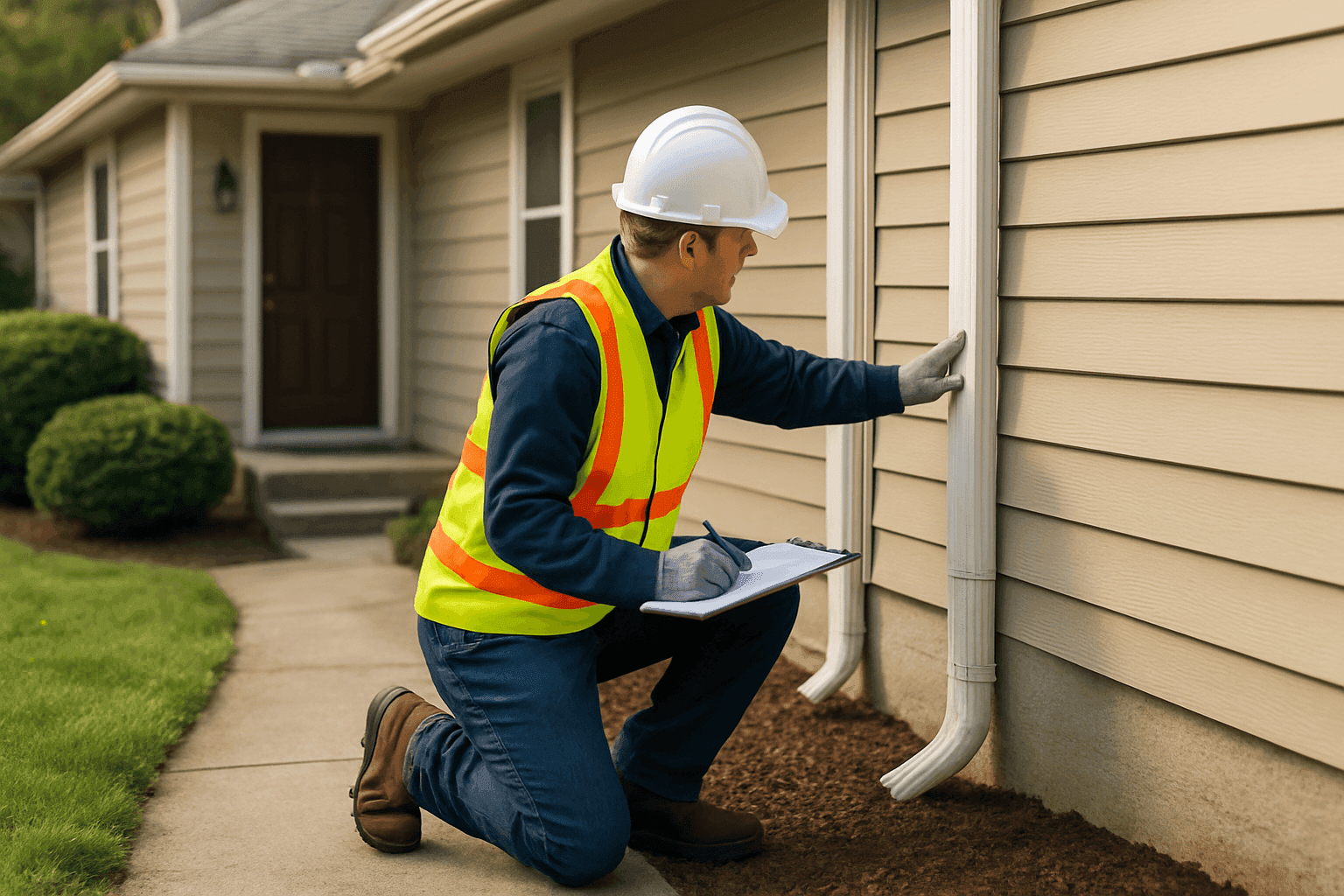
Water sneaks in when you least expect it. One small crack, one clogged gutter, and suddenly a peaceful home can turn into a repair project. At J. Liss Waterproofing, we’ve seen just how quickly moisture can take over—damaging basements, warping floors, and inviting mold.
Staying dry isn’t luck. It’s about routine checks and smart habits. The good news? Most waterproofing problems are easy to stop if you catch them early. Here’s a year-round, homeowner-friendly checklist to help you protect your investment, avoid emergencies, and extend the life of your waterproofing system.
Spring Inspection 🌱
As the snow melts and heavy rains return, spring is notorious for hidden leaks and water surprises. Start the season on the right foot with a thorough inspection.
Key Tasks:
- Check Gutters & Downspouts: Clear out leaves, sticks, and debris. Make sure downspouts direct water at least six feet from your foundation.
- Inspect Foundation Seals: Walk the perimeter. Look for cracks, flaking, or missing sealant. Even hairline cracks can let water in.
- Examine Exterior Walls: Check for bubbling paint, powdery residue (efflorescence), or stains—these signal moisture is getting through.
- Test Sump Pump: Pour a bucket of water into the pit to ensure it activates and drains properly.
- Assess Grading: Soil should slope away from your home. If not, add soil to create a gentle grade.
- Clear Drains & French Drains: Remove debris to ensure water flows freely.
- Review Basement & Crawl Spaces: Look for dampness, musty smells, or visible mold.
Tip: The International Association of Certified Home Inspectors (InterNACHI) recommends inspecting your home’s exterior and drainage systems every spring.
Summer Preparations ☀️
Summer storms can be sudden and fierce. Now’s the time to shore up defenses and repair winter damage.
Key Tasks:
- Seal Cracks: Use high-quality, waterproof caulk or epoxy to repair foundation and wall cracks.
- Check Window Wells: Make sure they’re clear and drains aren’t blocked.
- Inspect Gutters for Sagging: Heat can warp plastic or old metal—realign or replace as needed.
- Test Moisture Barriers: Look for signs of wear or peeling in crawl spaces and basements.
- Review Sump Pump Backups: If you have a battery backup, test it now—power outages are common in summer storms.
- Trim Landscaping: Keep shrubs and mulch at least a foot away from your foundation to prevent moisture buildup.
Tip: The National Building Code recommends annual checks for all waterproofing barriers and after any severe weather event.
Fall Preventive Steps 🍂
Autumn is all about preparation. Falling leaves, cooler nights, and early freezes can set the stage for winter leaks.
Key Tasks:
- Clean Gutters Again: Leaves can clog gutters in days. Stay ahead of blockages.
- Check Roof & Flashing: Look for missing shingles and repair flashing around chimneys, skylights, and vents.
- Inspect Foundation Again: Early freezes can widen small cracks. Seal any new gaps before winter.
- Evaluate Drainage: Ensure all downspouts and drains are clear and direct water far from the house.
- Look for Grading Issues: Heavy rain can wash away soil—fix low spots before the ground freezes.
- Shut Off & Drain Outdoor Faucets: Prevent burst pipes that can lead to water intrusion.
Tip: According to FEMA, blocked gutters and improper grading are among the leading causes of basement flooding in fall storms.
Winter-Proofing ❄️
Winter brings freeze-thaw cycles that test your home’s defenses. A little prep now saves headaches later.
Key Tasks:
- Insulate Pipes & Sump Pumps: Prevent freezing and bursting.
- Monitor for Ice Dams: Watch your roof edges—ice buildup can force water under shingles and into your home.
- Check for Interior Condensation: Windows, walls, and basements—excess moisture means you need better ventilation or dehumidifiers.
- Inspect Basement & Crawl Spaces: Look for frost, damp spots, or strange smells after deep freezes.
- Test Sump Pump Regularly: Especially before storms or thaws.
- Keep Snow Away from Foundation: Shovel snow so it doesn’t pile up against your house.
Tip: The American Society of Home Inspectors recommends monthly checks of sump pumps and crawl spaces during winter.
Emergency Readiness 🚨
Waterproofing issues don’t always wait for a convenient time. Be prepared for sudden problems, especially during storms or rapid thaws.
Key Tasks:
- Know Where Your Main Water Shutoff Is: In a leak, turn it off fast.
- Keep a Wet/Dry Vacuum Handy: For quick water removal.
- Have Emergency Numbers Ready: Including waterproofing professionals and your insurance agent.
- Stock Sandbags: If you’re in a flood-prone area, sandbags can buy you critical time.
- Monitor Weather Alerts: Stay informed during heavy rain or freeze warnings.
- Maintain Backups: Keep batteries charged for sump pumps and flashlights.
Tip: The Federal Emergency Management Agency (FEMA) recommends preparing an emergency kit before storm season.
Why Preventative Maintenance Matters
It’s tempting to put off waterproofing checks until something goes wrong. But a stitch in time really does save nine. Small routine checks—just a few minutes each season—mean you’re far less likely to face:
- Mold infestations
- Costly foundation repairs
- Damaged floors and drywall
- Lost valuables in basements and crawl spaces
Industry standards (including those from the National Association of Home Builders) suggest most waterproofing materials last 10–15 years with proper care. Maintenance can double that lifespan.
When to DIY vs. When to Call for Help
Some tasks are perfect for homeowners—like cleaning gutters or checking sump pumps. But if you find:
- Large cracks in foundation walls
- Persistent leaks or standing water
- Mold you can’t easily clean
- Weird odors that don’t go away
…it’s time to reach out for Commercial Waterproofing near you. Trained professionals can diagnose hidden problems, recommend the right materials, and ensure repairs last.
What Professionals Do During a Visit
When you call J. Liss Waterproofing, here’s what you can expect:
- Full System Inspection: Inside and out, from rooflines to crawl spaces.
- Leak Detection: Using moisture meters, thermal imaging, and visual checks.
- Material Assessment: Checking the age and condition of barriers, coatings, and drainage.
- Tailored Recommendations: Whether it’s minor repairs or a maintenance plan.
- Clear Cost and Time Estimates: So you know what to expect before work begins.
Professionals follow best practices set by the International Code Council (ICC) and other industry bodies.
Costs & Time Factors
Waterproofing maintenance is an investment—one that pays off by preventing expensive repairs down the road. Here’s what to expect:
- Routine Seasonal Checks: Usually take 1–2 hours.
- DIY Materials: Gutter guards, sealants, and caulk are affordable and widely available.
- Professional Assessments: These may vary widely depending on the size and condition of your home.
- Repairs: Fixing small cracks or leaks costs far less than major foundation or mold remediation.
Remember: Delaying repairs often leads to higher bills later.
When It’s an Emergency
If you notice:
- Rapidly rising water in basements or crawl spaces
- Electrical outlets or appliances exposed to water
- Foundation walls bulging or buckling
Stop. Call for emergency waterproofing services. Safety first—never wade into standing water if electrical systems may be live.
FAQ
How often should I inspect my waterproofing system?
At least twice a year—spring and fall. Add checks after any major storms.
What are the most common signs of waterproofing trouble?
Musty odors, visible mold, peeling paint, water stains, or cracks in walls and floors.
Can I use any sealant for cracks?
Not all sealants are created equal. Look for products rated for exterior, below-grade, and wet environments—or ask a pro for recommendations.
Are maintenance plans worth it?
Yes. Scheduled checks catch small problems early, extending the life of your system and saving you money in the long run.
Local and Seasonal Considerations
Every region is different. Heavy rainfall, snow, or high humidity all create unique challenges. In flood-prone or coastal areas, more frequent inspections and robust drainage are a must. If you’re unsure about your home’s risk, a waterproofing consultation will help you plan ahead.
A little prevention goes a long way. Don’t let leaks, mold, or water damage catch you off guard. For questions, inspections, or emergency waterproofing, Call J. Liss Waterproofing now — or reach us anytime at 888-863-4240 .