Waterproofing Costs Explained: What Homeowners Should Expect and Budget For
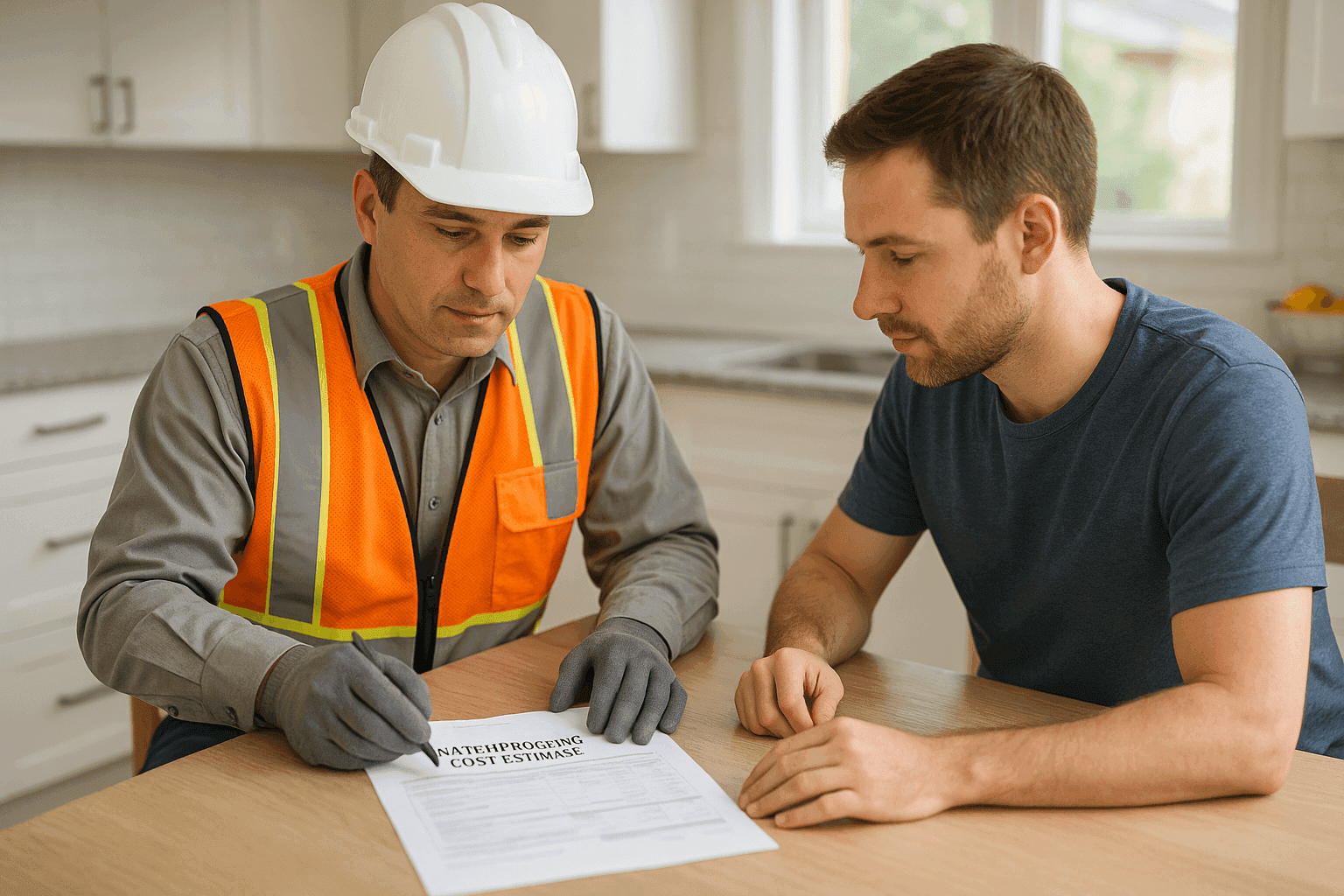
When water sneaks into your home, it's never just a puddle or a patch of damp. It’s a creeping problem—one that can chip away at your foundation, turn your basement into a musty cave, and quietly sap your peace of mind. At J. Liss Waterproofing, we know what’s at stake. We’ve walked countless homeowners through the maze of waterproofing costs, and we’re here to help you make sense of what to expect—and what you’re really paying for.
Budgeting for waterproofing shouldn’t feel like guessing the number of jellybeans in a jar. With the right information, you can understand the real factors that shape your project’s price, spot red flags, and invest in solutions that last.
Why Waterproofing Costs Vary
Waterproofing isn’t a one-size-fits-all raincoat for your house. Each home is unique—like a fingerprint. The price to keep water out depends on a mix of things:
- Size of the area: A cozy crawl space costs less than a sprawling finished basement.
- Extent of the problem: Fixing a hairline crack is simpler than battling years of seepage or black mold.
- Materials used: From specialized sealants to full drainage systems, choices matter.
- Labor and expertise: Skilled professionals bring experience, safety, and peace of mind.
- Accessibility: Tight spaces, tricky landscaping, or deep foundations can drive up costs.
Think of it like repairing a car. Replacing a wiper blade isn’t the same as rebuilding the engine. The same logic applies to waterproofing.
Quick Safety Checklist for Homeowners 🛑
Before you do anything, check for these warning signs:
- Musty odors or visible mold
- Peeling paint or bubbling walls
- Wet spots, especially after heavy rain
- Cracks in your foundation or basement floor
- Warped wood or rusted metal supports
If you spot these, it’s time to act. Ignoring them can lead to far bigger bills—and even health risks. The CDC warns that indoor mold can trigger allergies and asthma. Don’t let a drip turn into a deluge.
DIY or Call a Pro?
Some repairs are like changing a light bulb. Others are more like rewiring the whole house. Minor caulking or re-routing a downspout? You might handle that on a weekend. But for anything involving structural repairs, persistent leaks, or signs of foundation trouble, calling a professional isn’t just smart—it’s necessary.
Waterproofing contractors bring:
- The right tools for the job (not just a tube of sealant and hope)
- Knowledge of local building codes and safety guidelines (see the International Residential Code)
- Access to lasting materials and proven techniques
Cutting corners here is like patching a leaky boat with duct tape. You might float for a while, but you won’t stay dry for long.
What Pros Do On Arrival
When a J. Liss Waterproofing technician arrives, they don’t just glance around and scribble a number. Here’s what you can expect:
- Thorough inspection: We look for water entry points, hidden leaks, and signs of long-term damage.
- Moisture testing: Tools like moisture meters find what your eyes can’t see.
- Root cause diagnosis: We trace the problem back—sometimes it’s grading, gutters, or ground water, not just cracks.
- Clear recommendations: We’ll lay out options, explain pros and cons, and give you a written estimate.
Transparency is key. You should never feel rushed or pressured into a decision.
Prevention & Maintenance: The Smartest Investment
Keeping water out is easier—and cheaper—than fixing damage. Good prevention is like sunscreen for your house. Consider:
- Regular gutter cleaning and repair
- Downspout extensions to move water away from your foundation
- Annual waterproofing inspections (especially after big storms)
- Sealing and coating vulnerable surfaces
- Installing or upgrading sump pumps
- Scheduled maintenance plans for peace of mind
A little upkeep now can save thousands later.
Costs & Time Factors: What to Expect
Every home is unique, and costs can swing like a pendulum. Here’s what typically shapes your bill:
Average Price Ranges
- Basement waterproofing: $3,000–$10,000+ (interior or exterior)
- Foundation repair and sealing: $2,000–$7,000
- Crawl space encapsulation: $1,500–$15,000 (depends on size/materials)
- French drain installation: $2,000–$8,000
- Sump pump installation: $800–$3,500
- Crack repair: $350–$1,500 per crack
Remember, simple fixes cost less. A full system overhaul or correcting years of damage is a bigger investment. It’s like fixing a leaky roof—the sooner you address the issue, the less you’ll pay in the long run.
What’s Included?
- Labor and materials
- Cleanup and debris removal
- Permits and code compliance (when needed)
- Warranty options (ask what’s covered and for how long)
What Might Cost Extra?
- Mold remediation
- Structural repairs
- Upgrading old or failing waterproofing systems
- Emergency after-hours service
How Long Does It Take?
- Small repairs: 1–2 days
- Full basement or crawl space projects: 3–10 days
- French drains or exterior work: Up to 2 weeks, depending on weather
Weather, accessibility, and the complexity of your home can stretch timelines.
When It’s an Emergency
Water pouring in is never a “wait until Monday” problem. If you have sudden flooding, rapid leaks, or visible structural shifts, don’t delay. Emergency waterproofing services may cost more up front, but not acting can lead to ruined belongings, unsafe living conditions, or permanent structural damage.
If you’re not sure what’s urgent, err on the side of caution. The American Red Cross reminds homeowners to treat unknown water sources as potential hazards.
FAQ: Waterproofing Costs & Concerns
How do I get an accurate estimate?
Always ask for a written, itemized quote after an in-person inspection. Beware of ballpark figures over the phone or bids that sound too good to be true.
Why do some quotes seem much lower than others?
Low-ball bids may leave out essentials, use subpar materials, or skip critical steps. If a price looks suspiciously low, ask what’s not included—like permits, cleanup, or warranty coverage.
Do I need to waterproof if I’ve never had a leak?
Prevention is key. Many leaks start small or go unnoticed until they cause real damage. Regular inspections and maintenance keep surprises at bay.
Is waterproofing covered by home insurance?
Most policies don’t cover damage from gradual leaks or seepage. Coverage for sudden water damage varies. Check your policy and ask your agent for details.
Local & Seasonal Considerations 🌦️
Climate matters. Heavy rains, melting snow, and shifting soil—your region’s weather can test any waterproofing system. After big storms or spring thaws, schedule a check-up. Keep an eye out for new cracks or damp spots, especially if your home is on a slope, near water, or more than 20 years old.
Crawl spaces are especially vulnerable in humid areas. In colder climates, freeze-thaw cycles can worsen tiny cracks fast. Stay proactive, not reactive.
Final Thoughts: Invest with Confidence
Waterproofing is more than a line item on your home budget. It’s a safeguard for your foundation, your health, and your family’s comfort. The right plan protects your investment for years to come. If you’re unsure where to start, have questions about Commercial Waterproofing near you, or just want a straightforward estimate, we’re ready to help.
Call J. Liss Waterproofing now — or reach us anytime at 888-863-4240 .