Complete Guide: How to Prevent Mold with Proper Waterproofing
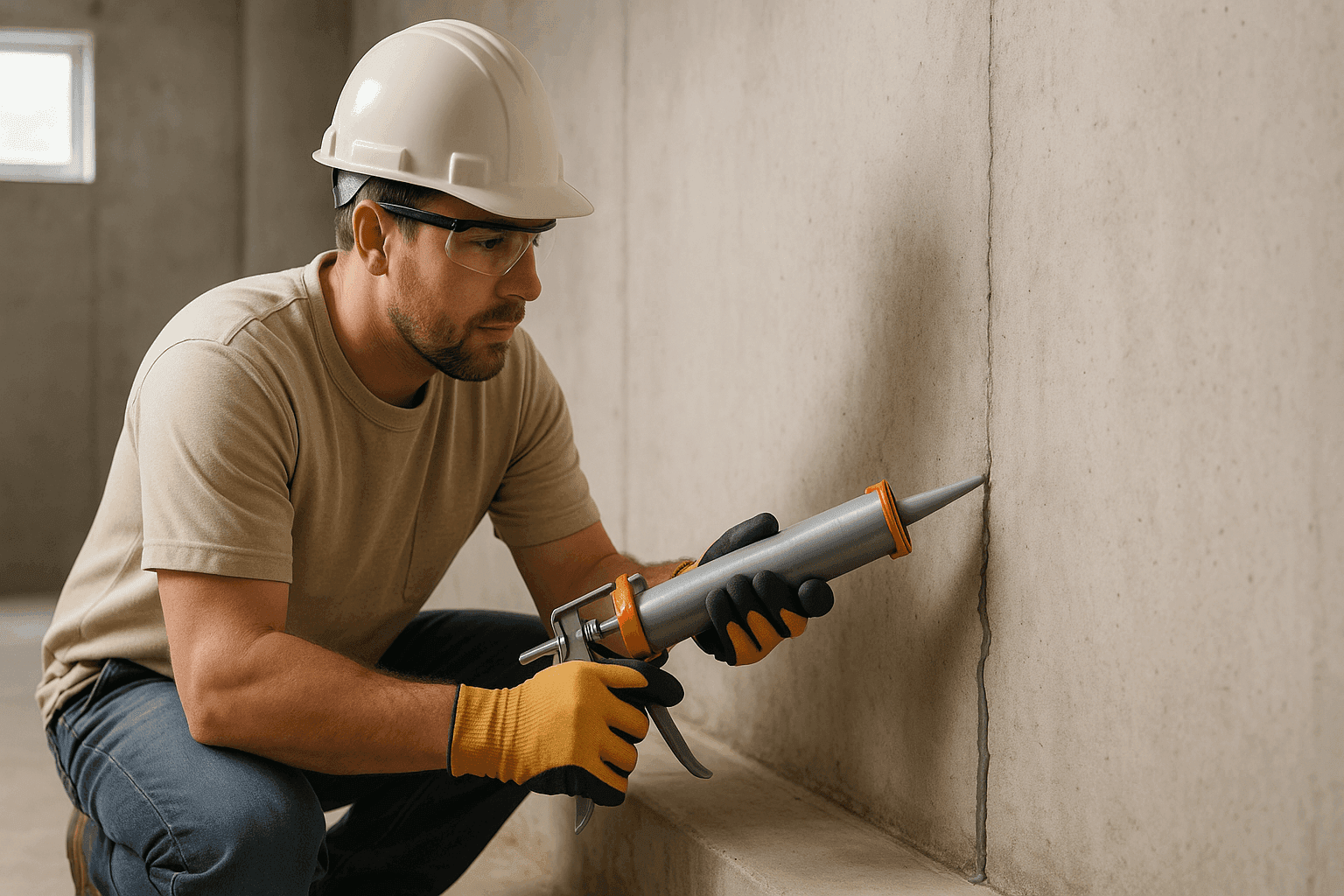
If you’ve ever spotted a fuzzy patch on your basement wall or sniffed that musty smell after a big rain, you know mold isn’t just a nuisance—it’s a warning sign. At J. Liss Waterproofing, we see how quickly a trickle or damp spot can turn into a real problem for families. Mold isn’t picky. It attacks any space where water sneaks in, risking your health and your home's value.
Waterproofing is more than just patching leaks. It’s about stopping mold at the source, long before it has a chance to grow. Read on to learn how you can protect your home—and your peace of mind.
Why Mold Loves Moisture (And Where It Hides) 🦠
Mold is like a weed. Give it the right mix of moisture, warmth, and a bit of darkness, and it’ll spread before you know it. According to the Centers for Disease Control and Prevention (CDC), mold needs just 24–48 hours in damp conditions to start growing.
High-risk areas include:
- Basements: Even a tiny crack can let in water after a storm.
- Crawl spaces: Humid air and poor airflow make these a mold magnet.
- Bathrooms: Steam, leaks, and poor seals create the perfect breeding ground.
- Attics & laundry rooms: Leaky roofs or pipes often go unnoticed until mold is established.
Water intrusion doesn’t just stain your walls. It seeps into drywall, flooring, and insulation—creating a playground for mold spores.
Quick Home Safety Checklist
Want to keep your home mold-free? Here’s where to start:
- Check for musty smells after storms or during humid months
- Look for water stains, peeling paint, or bubbling plaster
- Run your hand along basement walls—does it feel damp or cold?
- Inspect windows and doors for condensation or leaks
- Test sump pumps every season
- Make sure gutters are clear and draining away from your foundation
- Use a flashlight to check crawl spaces and attic corners
Spot something off? It’s time to take action.
The Science: How Water Becomes Mold
Think of your home as a ship. Even the smallest leak, if ignored, can sink it. Water enters through cracks, porous concrete, poor grading, or failed seals. Inside, moisture lingers—raising humidity. Mold spores (which exist almost everywhere) settle in, feeding on wood, dust, or wallpaper glue. The result? Black spots, fuzzy patches, and air that feels heavy and smells foul.
The U.S. Environmental Protection Agency (EPA) warns that indoor mold can trigger asthma, allergies, and even serious respiratory issues. Kids, seniors, and those with weakened immune systems are most at risk.
DIY Waterproofing vs. Calling a Pro
Some jobs you can tackle with elbow grease and a trip to the hardware store. Others demand trained eyes and specialized tools. Here’s how to tell the difference:
DIY-friendly:
- Re-sealing bathtubs, sinks, and windows
- Cleaning gutters and downspouts
- Running dehumidifiers in damp rooms
- Placing moisture-absorbing packs in closets
Call a pro for:
- Persistent leaks or unexplained moisture
- Water pooling in basements or crawl spaces
- Large foundation cracks
- Mold that keeps coming back after cleaning
- Sump pump installation or repairs
- French drain or drainage system design
Remember, what looks small on the surface may be hiding a bigger problem below.
What Waterproofing Professionals Do On Arrival
When J. Liss Waterproofing arrives, we approach your home like detectives:
- Thorough Inspection
We check inside and out—walls, foundations, crawl spaces, attics, and even your yard’s grading. - Moisture Meter Testing
Using tools to find hidden dampness behind walls or under floors. - Crack Assessment
Not all cracks are equal; we figure out which are urgent. - Leak Detection
Sometimes it’s plumbing, sometimes it’s rainwater. We track it to the source. - Mold Inspection
We identify visible and hidden mold patches, testing air quality if needed. - System Recommendation
Whether it’s sealing, drainage, sump pumps, or full waterproofing, we explain every step.
Our approach follows safety guidelines from the International Code Council (ICC) and local building codes.
Prevention & Maintenance: Steps to Stay Mold-Free
Waterproofing is an ongoing plan, not a one-time fix. Here’s how to stay ahead:
Seal All Cracks
Walk around your basement and foundation once a season. Fill hairline cracks with flexible sealant. For larger gaps, professional injection or epoxy may be needed.
Install & Service Sump Pumps
A reliable sump pump is like a lifeboat during heavy storms. Test yours before rainy seasons. If it’s over five years old, consider a backup or replacement.
Use Moisture Barriers
Plastic sheeting, vapor barriers, or specialized paints on basement walls and crawl space floors help keep moisture out. The International Residential Code (IRC) recommends these for below-grade spaces.
Maintain Gutters and Downspouts
Clogged gutters are the #1 cause of basement leaks. Clean them every spring and fall. Make sure downspouts direct water at least five feet from your foundation.
Grade Your Yard
Soil should slope away from the house. Even a small dip can funnel rainwater toward your walls.
Regular Mold Inspections
Schedule a professional inspection every year or after a major storm or flood.
French Drain Installation
If your property has standing water, a French drain can redirect it safely away from your home.
Seasonal Waterproofing Checklist
Before Humid Months:
- Test sump pump and battery backup
- Inspect foundation for new cracks
- Clean gutters and downspouts
- Set up dehumidifiers in basement/crawl spaces
- Ensure all windows and doors are sealed tight
After Heavy Storms:
- Walk your basement and crawl spaces—check for new damp spots
- Clear debris from yard drains
- Look for signs of water pooling around your foundation
Every Fall:
- Check attic for roof leaks before winter snow or rain
- Reseal window wells
- Trim shrubs and trees near foundation
Costs & Time Factors
Waterproofing costs vary by project size and solution:
- Minor repairs (sealing, caulking): Usually completed in a day
- Sump pump or moisture barrier installation: Plan for a day or two
- Full foundation waterproofing or French drain: Several days to a week, depending on complexity
Pricing depends on home size, materials used, and extent of damage—not on zip code. The peace of mind and protection for your health and property is an investment that pays for itself over time.
When It’s an Emergency
Flooded basement? Water pouring in after a storm? Mold spreading fast? That’s when you need emergency waterproofing services. Quick action is key—remove standing water, run fans, and call for help. Fast response can prevent thousands in damage and protect your family’s health.
Frequently Asked Questions
How can I tell if I have a mold problem?
Look for musty odors, discolored patches on walls or ceilings, and worsening allergies or breathing problems.
Will waterproofing stop mold forever?
Waterproofing dramatically reduces the risk, but regular maintenance and inspections are necessary—especially in older homes.
Is it safe to clean small patches of mold myself?
For minor surface mold, cleaning with detergent and water is usually safe. Wear gloves and a mask. For anything larger than a square foot, or if you smell mold but can’t find it, call a professional.
Does insurance cover mold damage?
Many policies exclude mold from water that could have been prevented by maintenance. Check with your agent—prevention is always the best strategy.
Local & Seasonal Considerations ☔
Weather patterns matter. Spring thaw, summer storms, and autumn rains all test your home’s defenses. In humid climates, mold grows faster and even minor leaks can cause big problems. After hurricanes or heavy rainfall, schedule a waterproofing inspection even if you don’t see obvious damage.
If you’re unsure whether your home is at risk, or if you spot warning signs, don’t wait. A small fix today can save you heartache—and money—tomorrow.
Call J. Liss Waterproofing now — or reach us anytime at 888-863-4240 .