How to Prevent Foundation Water Damage: Year-Round Homeowner Strategies
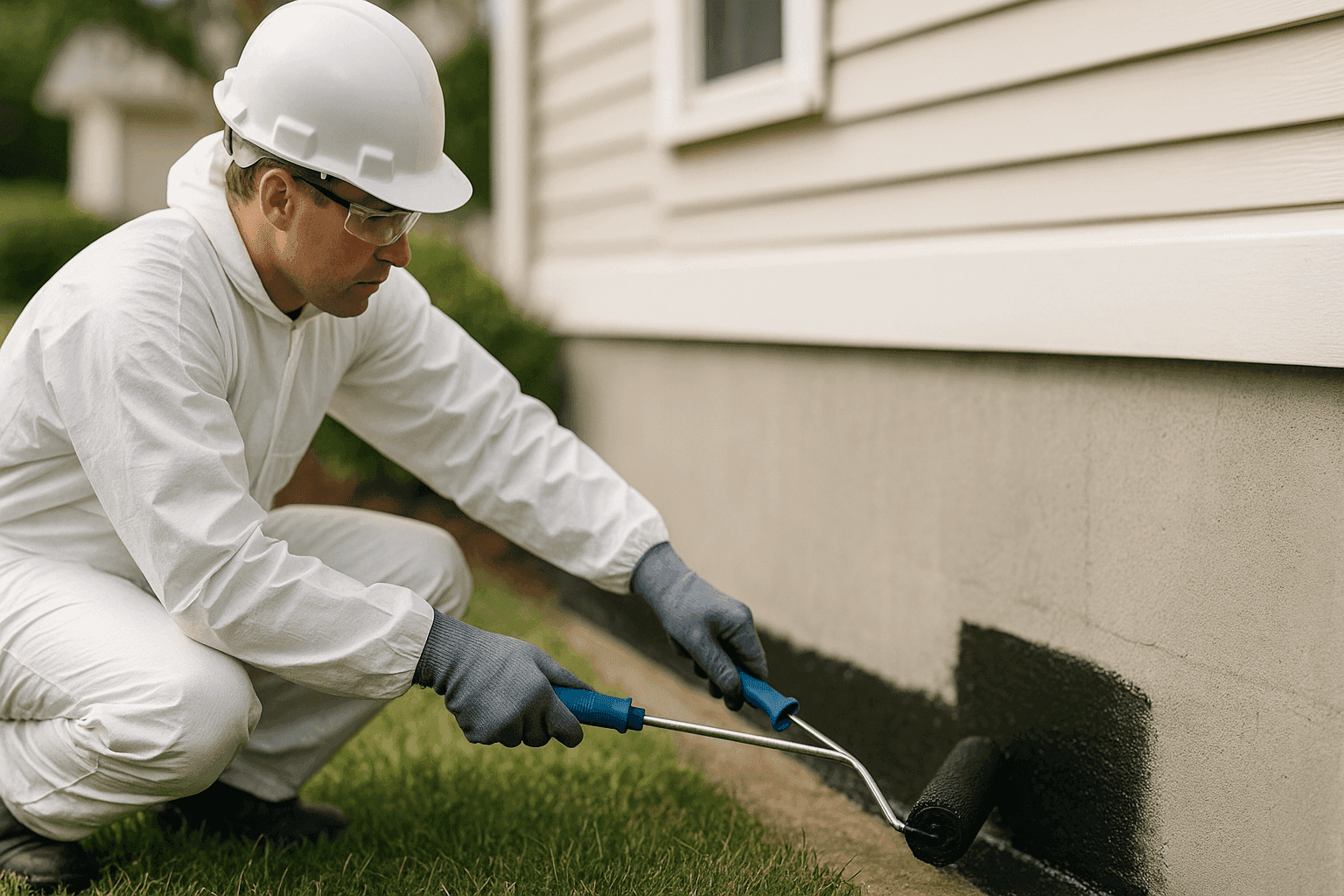
Keeping your home’s foundation dry isn’t just about comfort—it’s about protecting everything you’ve built. Water damage can sneak in like a slow leak behind the walls: quiet, persistent, and devastating. At J. Liss Waterproofing, we’ve seen firsthand how early action and smart seasonal routines make all the difference.
If you’re a homeowner, think of these strategies like an umbrella for your investment, shielding your house from avoidable headaches and expensive surprises. Let’s walk through what matters most, season by season, so your foundation stays solid for years to come.
The Real Risks: Why Foundation Water Damage Happens
Water is relentless. It finds every crack and weakness, especially where your home meets the ground. Heavy spring rains, melting snow, clogged gutters, or even poor grading can put your foundation at risk. Over time, even minor leaks can become major issues: cracked walls, heaving floors, mold, and musty smells.
Unchecked, water damage undermines your home’s structure—imagine termites, but wetter. The longer you wait, the more expensive repair becomes.
Quick Safety Checklist: The Basics Every Homeowner Should Know 🛠️
- Inspect gutters and downspouts: Clean them each season. Make sure downspouts direct water at least five feet from your foundation.
- Walk your perimeter: After heavy rain, look for puddles near the house or water pooling by the walls.
- Check grading: Soil should slope away from your foundation. Flat or negative grading invites trouble.
- Seal visible cracks: Even hairline splits can let moisture in. Use approved masonry sealants as a temporary fix.
- Test sump pumps: If you have one, pour water into the pit to make sure it cycles on and drains.
- Look for warning signs: Damp smells, peeling paint, white chalky stains (efflorescence), or new cracks inside your basement.
DIY or Call in a Waterproofing Contractor?
Some jobs fit the weekend warrior. Others need a pro. If your gutters just need cleaning, grab a ladder. Spot a small crack? Patch it up to buy time. But deeper cracks, ongoing leaks, or persistent dampness often mean there’s a bigger problem below the surface.
Professional waterproofing contractors like J. Liss Waterproofing have specialized tools, proven techniques, and the know-how to spot hidden trouble. When in doubt, ask for a waterproofing inspection. It’s like a physical for your house.
What Pros Do When They Arrive
Expect a thorough approach. Pros don’t just patch what’s visible—they track water to its source. Here’s what happens:
- Foundation inspection: Visual and moisture-level checks inside and out.
- Leak detection: Tools that sense hidden dampness, even behind finished walls.
- Gutter and drainage review: Ensuring water is moving away from your home.
- Soil and grading assessment: Checking for low spots or poor run-off.
- Material recommendations: From vapor barriers to exterior coatings, selecting the right solution for your specific issue.
- System upgrades: Installing French drains, sump pumps, or moisture barriers if needed.
Our team follows guidelines from the International Residential Code (IRC) and the Environmental Protection Agency (EPA) for safe, effective repairs.
Foundation Water Damage Prevention & Maintenance: A Seasonal Guide
Think of prevention as a year-round habit. Here’s how to break it down, season by season:
Spring
- Clean gutters and downspouts: Spring showers test your drainage. Remove debris and make sure water moves away from your house.
- Inspect for winter damage: Freeze-thaw cycles can open new cracks or shift soil.
- Walk your basement: Look for new water stains or musty smells.
Summer
- Check grading: Soil can settle after spring rains. Add fill dirt where needed to maintain a slope away from your foundation.
- Monitor humidity: High summer humidity means more moisture. Use a dehumidifier in crawl spaces or basements.
- Inspect for vegetation: Roots from shrubs or trees can disrupt drainage or crack foundations.
Fall
- Clean gutters again: Falling leaves clog drainage. Water backing up here can overflow and pool around your foundation.
- Seal cracks: Dry autumn days are ideal for applying sealant to any new or widening cracks.
- Test sump pump: Before the wet season, make sure it’s ready.
Winter
- Watch for ice dams: Snow melting off your roof needs a clear path to the ground.
- Check for frost heave: Cold snaps can push soil upward, stressing the foundation. Look for new cracks after deep freezes.
- Keep basement vents clear: Blocked vents trap moisture, encouraging mold.
Inspecting Gutters and Downspouts: The Unsung Heroes
Gutters are like raincoats for your foundation. If they’re clogged or broken, all that water ends up exactly where you don’t want it—soaked into the soil beside your house. Make it a habit to inspect and repair them at least twice a year. Replace any missing extensions. And if you see rust, sagging, or water stains down the siding, it’s time for a fix.
Checking Grading and Drainage Around Your Home
Walk around after a storm. If you see standing water or soggy patches, your grading may be off. The ground should slope at least six inches over the first ten feet away from your house. If that’s not happening, add soil, shape it, and tamp it down. For tough spots, consider professional grading or French drain installation.
Sealing Foundation Cracks: Small Fix, Big Protection
Even tiny cracks let water creep in. Use a concrete patch or masonry sealant for hairline splits. But if cracks are wider than a pencil, shifting, or keep coming back, it’s time to call for a waterproofing inspection. Sometimes, persistent cracks mean deeper structural movement, not just surface wear.
Always choose quality waterproofing materials that meet ASTM International standards. Cheap, quick fixes may not hold up, especially in freeze-thaw cycles.
Warning Signs of Foundation Trouble
Don’t ignore the early whispers. Here’s what might signal water is winning:
- New or growing cracks in basement walls or floors
- Doors or windows sticking, especially in the basement
- Musty odors that don’t go away
- White, powdery residue (efflorescence) on walls
- Visible mold or mildew
- Warped floors or buckling baseboards
Catching these signs early can mean a simple repair instead of a full foundation overhaul.
Routine Waterproofing Inspections: The Value of a Pro’s Eye 👀
A routine inspection is like getting your car’s oil changed: it prevents bigger, costlier problems down the road. Pros use moisture meters, thermal imaging, and years of experience to spot issues you might miss. They’ll check your entire waterproofing system, from sump pumps to gutters, and recommend honest next steps.
The National Association of Home Builders (NAHB) recommends annual inspections for homes in wet or flood-prone regions.
Costs & Time Factors: What to Expect
Waterproofing isn’t one-size-fits-all. Here’s what can affect the price and timeline:
- Type and size of your home: Larger homes take more time and materials.
- Extent of damage: Small cracks are quick; major leaks or mold remediation take longer.
- Materials used: Premium coatings and barriers last longer but cost more upfront.
- Accessibility: Finished basements or tight crawl spaces may require extra labor.
Most basic inspections and minor repairs take a few hours. More complex waterproofing system upgrades can span several days. Remember, early prevention always saves money compared to repairing major foundation damage.
When It’s an Emergency: Fast Action Matters
If you have standing water in your basement, a sudden leak after a storm, or see rapid foundation movement, act fast. Shut off electricity to affected areas. Move valuables to higher ground. Then call for emergency waterproofing services right away. The sooner professionals address the issue, the less damage you’ll face.
Frequently Asked Questions
How often should I check my foundation for water damage?
At least twice a year—spring and fall are ideal. After heavy storms or deep freezes, give it another look.
Can I waterproof my basement myself?
You can handle small cracks and basic maintenance. But for ongoing leaks, persistent dampness, or foundation movement, professional waterproofing is safer and more effective.
How long does a foundation waterproofing system last?
With proper installation and routine maintenance, many systems last 10–20 years or longer. Materials and environment play a big role.
What’s the difference between waterproofing and damp proofing?
Waterproofing blocks both water and vapor, while damp proofing mainly resists water vapor. For basements and below-grade spaces, full waterproofing is recommended.
Local & Seasonal Considerations
Every region has its quirks. Some soils hold water like a sponge; others drain fast. High water tables, frequent storms, or harsh winters all require tailored solutions. In areas with heavy rainfall or snow melt, schedule inspections before the wet season. If you live near mature trees, watch for root growth that can disrupt drainage.
Local building codes often require minimum grading standards, sump pumps in new construction, or approved waterproofing materials. Following these guidelines keeps your home safer—and can protect you from insurance headaches down the road.
Taking care of your foundation is a year-round job, but it doesn’t have to be overwhelming. Proactive steps, quality materials, and support from professionals make all the difference. If you’re ready to protect your home—or notice something that doesn’t look right—reach out today.
Call J. Liss Waterproofing now — or reach us anytime at 888-863-4240 .