How to Choose a Waterproofing Contractor: Questions Every Homeowner Should Ask
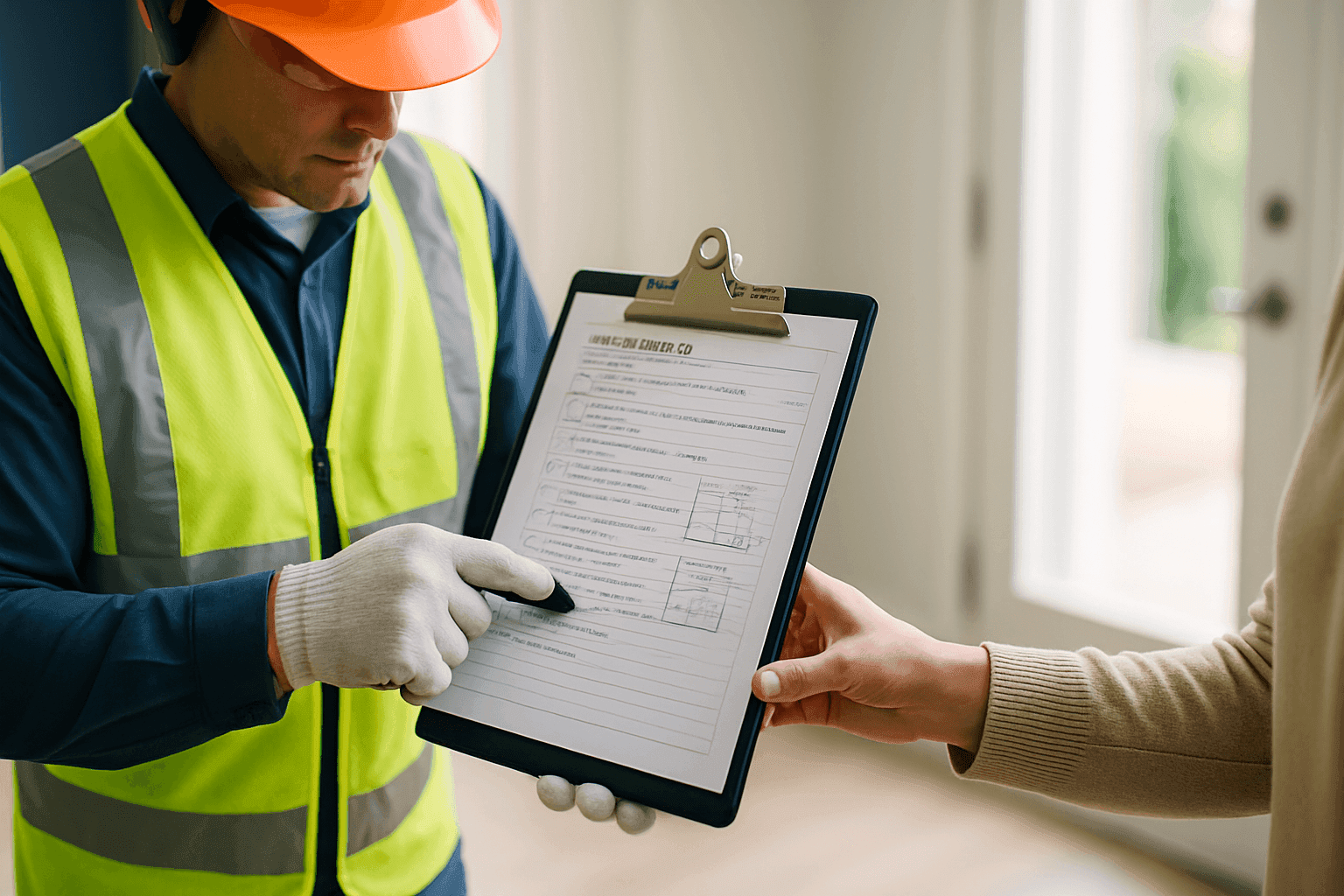
Keeping water out of your home isn’t just about comfort—it’s about protecting your biggest investment. When you need waterproofing services, picking the right contractor can mean the difference between peace of mind and years of headaches. At J. Liss Waterproofing, we’ve seen the results of rushed decisions: repairs that don’t last, warranties that vanish, and damage that gets worse.
This guide is for every homeowner who’s ever stared at a wet basement wall and wondered, “Who should I trust with this?” Let’s walk through the process together—so you can hire the kind of help you’d recommend to a friend.
Why Hiring the Right Waterproofing Contractor Matters 🏠
Waterproofing isn’t a job for guesswork. One missed crack, one poorly sealed joint, and you could be inviting mold, foundation damage, or even structural issues. According to the International Residential Code (IRC), improper waterproofing is one of the most common reasons for costly home repairs down the line.
Hiring a skilled, trustworthy contractor means:
- The job gets done right the first time.
- Your home’s value stays intact.
- You avoid repeating repairs every rainy season.
A reliable contractor will know local code, use quality materials, and back their work with real support. Your goal: a dry, healthy house now and for years to come.
Key Questions to Ask Before Hiring
Interviewing contractors may feel awkward, but it’s crucial. Think of it like choosing a surgeon for your home—don’t settle for the first name you find online. Here are the must-ask questions:
- How long have you been specializing in waterproofing? Experience matters—a seasoned contractor has seen every leak and knows how to fix it for good.
- Are you licensed and insured for residential waterproofing? Ask for proof. Licenses mean accountability. Insurance means you’re protected if anything goes wrong.
- Can you provide references from recent projects? Real feedback from other homeowners is gold. Don’t be shy about calling references.
- What types of waterproofing materials and methods do you recommend for my situation? Every home is different. Listen for clear, specific answers—not just “we do it all.”
- Do you offer written estimates and detailed inspection reports? Transparency up front prevents confusion later.
- What is your process for handling unexpected issues or change orders? Surprises happen. How a contractor responds shows their professionalism.
What Credentials to Check
Paperwork isn’t exciting, but it’s your safety net. Here’s what to look for:
- State or local contractor’s license. Check expiration dates and verify with your local licensing board.
- General liability and workers’ compensation insurance. Confirm coverage is current. This protects you from liability.
- Manufacturer certifications. Some waterproofing systems require special training. Ask if your contractor is certified.
- Membership in industry associations. Groups like the Basement Health Association or National Association of Waterproofing and Structural Repair Contractors show a commitment to best practices.
- Permits and code compliance. Ask if your project requires local permits. A reputable contractor won’t skip this step.
Understanding Quotes and Warranties
A good estimate is like a detailed recipe—not just a price tag. Here’s what to look for:
Comparing Estimates
- Scope of work. Does each quote spell out the specific repairs, materials, and areas to be waterproofed?
- Material brands and specifications. Are you getting premium products or generic solutions?
- Timeline. How long will the project take? Are weather delays addressed?
- Payment schedule. Avoid large up-front payments. Most reputable contractors use milestone payments.
The Value of Inspections
- On-site assessments. A phone quote isn’t enough. Insist on a thorough interior and exterior inspection.
- Moisture readings. Professional contractors use tools (like moisture meters) to diagnose hidden issues.
- Photographic documentation. Ask for before-and-after images if possible.
Warranties: What’s Real and What’s Not
- Length and coverage. Is the warranty just for labor, materials, or both? Five to ten years is common, but read the fine print.
- Transferability. If you sell your home, does the warranty go to the new owner?
- Service response. How quickly will issues be addressed under the warranty?
Never rely on verbal promises—get everything in writing.
Red Flags to Avoid 🚩
Not every contractor deserves your trust. Watch for warning signs like:
- Vague answers to your questions.
- No physical address or website.
- Unusually low bids. If it sounds too good to be true, it probably is.
- Pressure to sign quickly.
- No proof of insurance or license.
- Reluctance to provide references.
- Unwillingness to discuss materials or methods.
If your gut says something’s off, move on. Your home is too important for shortcuts.
Why Professional Waterproofing Beats DIY
Waterproofing isn’t like painting a room or fixing a leaky faucet. It’s more like rerouting a river—one wrong move, and you could make things worse. Professional contractors understand building science, local codes, and how water behaves around foundations.
DIY attempts often miss hidden water paths or use hardware-store products that can’t handle real-world conditions. Worse, improper repairs can void your home insurance or reduce resale value. When in doubt, call a pro.
How High-Quality Contractors Stand Out
What separates a service provider you’d recommend from one you’d avoid? Look for:
- Detailed inspections and clear communication.
- No-nonsense paperwork—nothing hidden.
- Professional appearance and equipment.
- Willingness to explain their process.
- Respect for your property (clean-up, minimal disruption).
The best contractors treat your home like their own.
Practical Tips for the Selection Process
- Meet in person whenever possible. Body language tells you a lot.
- Ask about upcoming weather or seasonal concerns. Timing can affect cost and effectiveness.
- Request sample warranties and contracts before work begins.
- Trust—but verify. Double-check licenses, insurance, and references.
- Keep records. Save all paperwork, photos, and emails for your files.
Authoritative References
For more on building codes and safety, see resources from the International Code Council (ICC) and Occupational Safety and Health Administration (OSHA). Local building departments can also confirm whether a contractor’s license is valid.
When to Call for Emergency Waterproofing
If you see active leaks, standing water, or sudden mold smells after a storm—don’t wait. Emergency waterproofing services can prevent expensive structural damage. Temporary fixes (like sump pumps or tarps) may buy time, but a full inspection should follow as soon as possible.
Frequently Asked Questions
How do I know if my home needs waterproofing?
Common signs include musty odors, stains on basement walls, peeling paint, and visible cracks. If in doubt, ask for a professional inspection.
What’s the difference between waterproofing and damp proofing?
Waterproofing blocks liquid water and vapor, while damp proofing only slows moisture. For basements and foundations, full waterproofing is usually recommended.
How do I maintain my waterproofing system?
Regular gutter cleanings, grading checks, and annual inspections go a long way. Many contractors offer maintenance plans for peace of mind.
Can waterproofing increase my home’s value?
Definitely. A dry, healthy basement or crawl space is attractive to buyers and protects your investment.
The Bottom Line
Choosing a waterproofing contractor isn’t just another item on your to-do list—it’s a decision that protects your home for years to come. Take your time, ask the right questions, and insist on clear, professional service.
Call J. Liss Waterproofing now — or reach us anytime at 888-863-4240 .